Rural development Organization
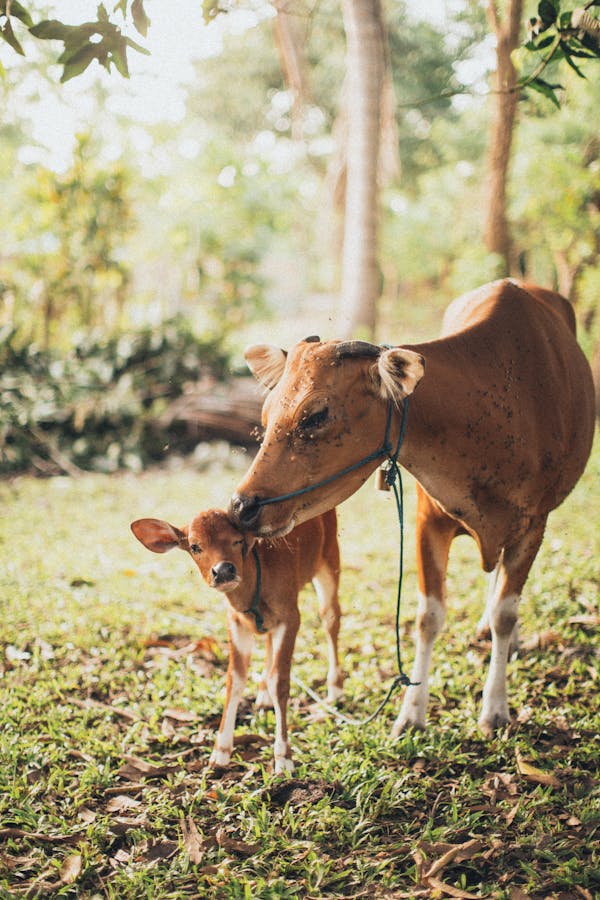
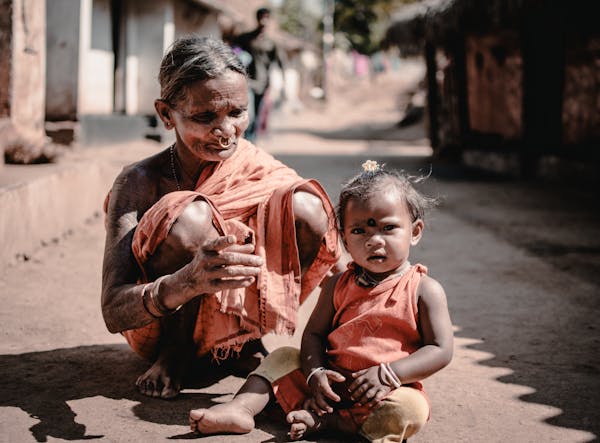
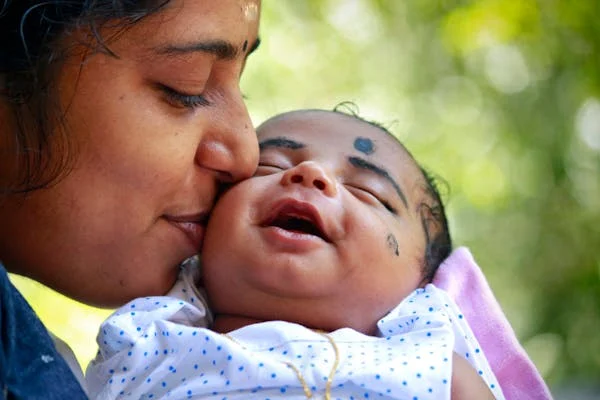
“Together, we lift up mothers and children, ensuring they thrive with love and support.
Your help creates brighter futures, one family at a time.”
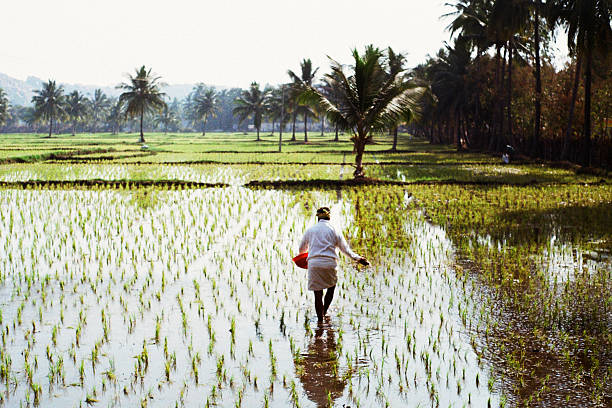
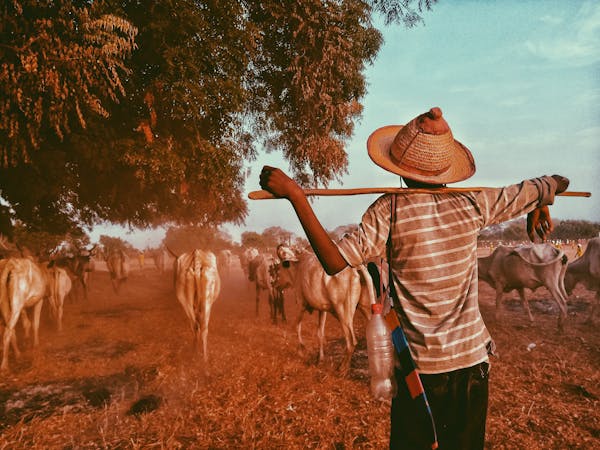
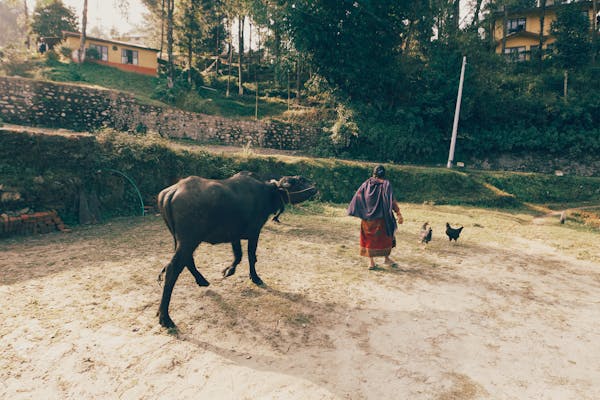
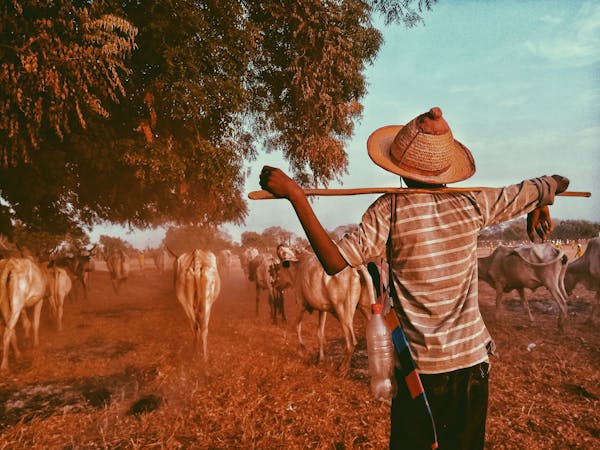
“Farming sustains life, providing food for communities and shaping futures.
By supporting farmers, we cultivate growth, resilience, and a sustainable tomorrow.”
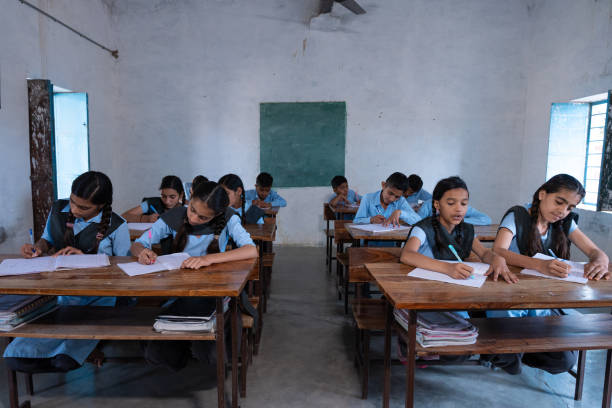
“Education empowers individuals and transforms communities.
By supporting access to quality learning, we build brighter futures and lasting change.”
A biogas plant is a sustainable solution for rural development, converting organic waste into clean energy.
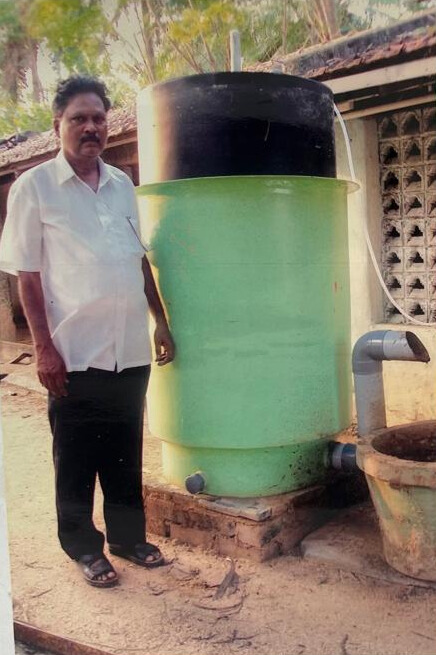
For Rural Development Organisation (RUDO),
promoting biogas plants can help reduce dependence on firewood, improve sanitation, and support eco-friendly farming. These plants generate biogas for cooking and electricity, while the byproduct, organic slurry, serves as natural fertilizer, boosting agricultural productivity. Implementing biogas technology in villages enhances energy security, reduces pollution, and empowers rural communities by providing a cost-effective and renewable energy source. RUDO aims to promote these initiatives for a cleaner, greener, and self-sufficient rural future.
Azolla Cement Lantern: A Sustainable Innovation for Rural Development Organisation (RUDO),
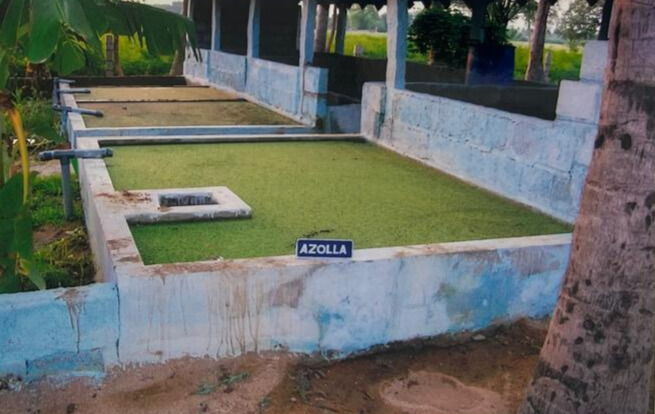
The Azolla Cement Lantern is an eco-friendly and cost-effective lighting solution that combines traditional craftsmanship with modern sustainability.
At Rural Development Organisation (RUDO), we promote such innovations to improve rural livelihoods while preserving the environment.Azolla, a fast-growing aquatic fern, plays a crucial role in natural insulation and moisture retention, making it ideal for enhancing the durability of cement lanterns. These lanterns are lightweight, strong, and energy-efficient, offering a low-cost lighting alternative for homes, farms, and community spaces in villages.
By encouraging the production and use of Azolla Cement Lanterns, RUDO aims to support local artisans, reduce dependency on expensive lighting solutions, and promote sustainable rural entrepreneurship. This initiative not only provides a renewable source of income for villagers but also contributes to an eco-friendly rural development model, fostering self-sufficiency and innovation.
Rural development Organization
Importance of NGOs in Rural Development
NGOs are crucial in rural development because they provide expertise, resources, and support where government services may be lacking or insufficient. Their role includes:
Bringing Resources: Many rural communities lack the funding and infrastructure to implement development programs, and NGOs help fill this gap by providing financial resources, skilled personnel, and materials.
Filling Gaps in Services: NGOs often provide services that governments are unable or unwilling to offer, such as rural healthcare or education.
Advocacy and Policy Influence: NGOs often advocate for policies that benefit rural areas, influencing local, regional, or national governments to address the specific challenges faced by rural populations.
Innovation and Expertise: NGOs can introduce new ideas, technologies, and methodologies to rural communities, improving agricultural techniques, educational approaches, or healthcare practices.